
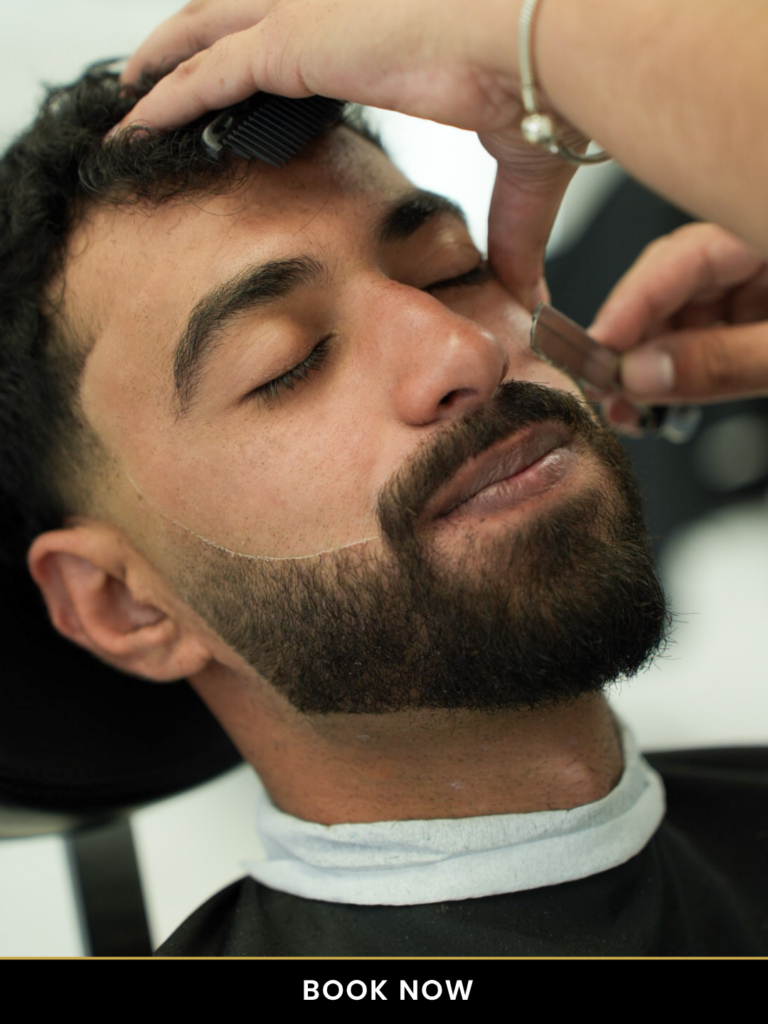
Beard itch and flaking can turn a well-maintained beard into an uncomfortable grooming problem. Whether you have a short beard, a thick full beard, or carefully shaped stubble, dry skin, trapped dead skin cells, product buildup, and irritation can cause persistent itching and visible flakes. The good news is that a consistent beard-care routine can help reduce these problems and keep your beard looking clean, soft, and healthy.
The five golden rules are simple: cleanse your beard gently, moisturize the skin underneath, exfoliate carefully, choose suitable grooming products, and maintain a consistent routine. If symptoms persist, identifying the underlying cause is equally important. For men looking for professional grooming advice, a trusted barber can also help improve beard maintenance habits.
At MEN ZONE, a professional barbershop serving customers in the Greater Toronto Area, beard grooming is an important part of maintaining a neat, comfortable appearance. For men searching for a mens salon near me or a knowledgeable barber in Hyde Park, Oakville, understanding the basics of beard and skin care is a useful first step.
Why Do Beard Itch and Flaking Happen?
Before exploring the five golden rules, it helps to understand why beard itch and flaking develop in the first place.
The skin underneath facial hair is exposed to sweat, oil, dead skin cells, environmental pollutants, and grooming products. When the skin becomes dry or irritated, it may produce visible flakes and an uncomfortable itching sensation. A thick beard can also make it harder to cleanse and moisturize the skin properly.
Common causes include:
- Dry skin: Cold weather, indoor heating, hot showers, and harsh cleansers can strip away natural oils.
- Seborrheic dermatitis: This common skin condition can cause flaky, itchy skin and sometimes greasy or yellowish scales around the beard, eyebrows, and sides of the nose.
- Product buildup: Heavy waxes, fragranced oils, and styling products may irritate sensitive skin or accumulate around the hair follicles.
- Poor cleansing habits: Infrequent washing can allow sweat, dirt, and dead skin cells to accumulate.
- Overwashing: Washing too frequently with strong cleansers may worsen dryness and irritation.
- Ingrown hairs: Curly or coarse beard hairs can grow back into the skin after shaving or trimming, causing bumps, redness, and itching.
Not every beard problem has the same cause. A routine that helps ordinary dryness may not resolve a fungal-related condition or another inflammatory skin problem. Understanding the cause makes it easier to choose the right solution.
Golden Rule 1: Cleanse Your Beard Without Stripping Natural Oils

The foundation of a healthy beard is proper cleansing. Your beard collects sweat, dust, food particles, excess oil, and dead skin cells throughout the day. If these substances accumulate, they can contribute to discomfort, unpleasant odours, and visible flakes.
However, washing your beard with an aggressive shampoo or strong soap can make matters worse. The goal is to remove unwanted buildup while preserving the skin’s natural moisture barrier.
How to Clean Your Beard Correctly
1. Use a gentle cleanser. Choose a mild, fragrance-free facial cleanser or a beard wash suitable for your skin type. If your facial skin is sensitive, avoid products containing strong fragrances or harsh detergents that leave your skin feeling tight.
2. Use lukewarm water. Hot water can remove natural oils and increase dryness. Lukewarm water helps loosen dirt and product residue without unnecessarily irritating the skin.
3. Massage the skin beneath your beard. Apply the cleanser gently using your fingertips. Move through the beard rather than concentrating only on the visible hair. The skin underneath needs attention because that is where many flakes originate.
4. Rinse thoroughly. Leftover cleanser can cause irritation, particularly around the chin, jawline, and neck. Make sure the water reaches the skin beneath thicker areas of facial hair.
5. Pat dry instead of rubbing. Use a clean towel and gently remove excess water. Vigorous rubbing can irritate already sensitive skin.
How Often Should You Wash Your Beard?
For many men, washing the beard and face once daily or as needed is sufficient, although the ideal frequency depends on activity level, skin type, climate, and product use.
If you exercise frequently, work outdoors, or sweat heavily, you may need additional rinsing or cleansing. Men with very dry skin may benefit from using a cleanser less frequently, provided sweat and buildup are still managed.
Avoid automatically washing your beard several times a day simply because it feels itchy. Excessive cleansing can worsen dryness.
Common Mistakes to Avoid
- Using regular body soap on the face when it causes dryness.
- Scrubbing flakes aggressively with your fingernails.
- Washing with very hot water.
- Leaving shampoo or beard products trapped beneath thick hair.
- Assuming every white flake means your beard is dirty.
The takeaway: A clean beard starts with a balanced cleansing routine. Gentle washing removes buildup while helping the skin remain comfortable.
Golden Rule 2: Moisturize the Skin Beneath Your Beard

One of the most overlooked causes of beard itch is insufficient moisture. Many men apply products to the visible beard hair but forget the skin underneath it.
Beard hair can make it difficult for moisturizers to reach the skin. As a result, the beard may look shiny or feel soft while the skin beneath it remains dry and flaky.
A suitable moisturizing routine can help reduce dryness, support the skin barrier, and make facial hair easier to manage.
Choose Products Based on Your Skin Type
For dry skin: Look for a fragrance-free moisturizer containing ingredients such as glycerin, ceramides, or hyaluronic acid. These ingredients help attract or retain moisture and support the skin barrier.
For oily skin: Choose a lightweight, non-comedogenic moisturizer that hydrates without feeling excessively greasy.
For sensitive skin: Prefer simple formulations without added fragrance or essential oils, which can trigger irritation in some people.
For coarse beard hair: A small amount of beard oil may help soften the hair and reduce friction. However, beard oil is not a substitute for treating an underlying skin condition.
The Correct Way to Moisturize a Beard
Follow these steps after cleansing:
- Pat the beard until it is damp rather than soaking wet.
- Apply a suitable facial moisturizer to the skin, working gently through the beard.
- Use your fingertips to distribute the moisturizer toward the roots of the hair.
- If needed, apply a small amount of beard oil to the hair itself.
- Avoid applying excessive product, particularly if your skin is prone to clogged pores or irritation.
For a thick beard, parting the hair into sections can make it easier to reach the skin. A clean beard comb can also help distribute products without pulling at the hair.
Does Beard Oil Permanently Stop Itching?
Not necessarily. Beard oil may improve softness and reduce dryness-related discomfort, but it cannot guarantee permanent relief from every cause of beard itch.
For example, seborrheic dermatitis may require a medicated treatment rather than a cosmetic oil. Heavy or fragranced oils can even aggravate irritation in some individuals.
If a new product causes burning, redness, swelling, or increased flaking, stop using it and reassess your routine.
The takeaway: Moisturize the skin, not just the beard hair. A comfortable skin barrier is essential for maintaining a soft, manageable beard.
Golden Rule 3: Exfoliate Carefully and Remove Dead Skin Buildup

Dead skin cells naturally shed from the surface of the skin. When they accumulate among beard hairs, they can become visible as white flakes. This is one reason beard care requires more than simply trimming the hair.
Gentle cleansing already helps remove some dead skin cells, so additional exfoliation is not necessary for everyone. When appropriate, careful exfoliation can help with surface buildup, but aggressive scrubbing can damage the skin barrier and make itching worse.
How to Manage Beard Flakes Safely
Start with gentle cleansing. Before adding a scrub or exfoliating product, improve your regular cleansing and moisturizing routine. Ordinary dryness-related flakes may improve without additional exfoliation.
Avoid harsh physical scrubs. Large or rough exfoliating particles can create tiny areas of irritation, especially when used on inflamed or sensitive skin.
Use a soft beard brush cautiously. A clean, soft-bristled brush can help arrange facial hair and loosen superficial debris. Do not repeatedly brush irritated skin or try to scrape flakes away.
Do not pick at the skin. Pulling off flakes with fingernails may create small wounds, increasing the risk of irritation and infection.
Consider the cause of persistent flaking. If flakes return quickly despite good hygiene, or if the skin looks red and greasy, a skin condition may be responsible.
When Should You Avoid Exfoliation?
Skip exfoliating products when you have:
- Red, inflamed, or painful skin.
- Open cuts or irritation after shaving.
- Persistent burning or sensitivity.
- Inflamed bumps or suspected skin infection.
- A flare-up of a condition that worsens with friction.
In these situations, gentle cleansing and moisturizing are generally safer until you can identify the cause.
Why More Scrubbing Is Not Always Better
A common misconception is that beard dandruff disappears when every visible flake is scrubbed away. In reality, flakes can be a symptom of inflammation or impaired skin-barrier function.
Removing the visible flakes without addressing the underlying problem may offer only temporary improvement. Excessive scrubbing can also increase redness, dryness, and discomfort.
The takeaway: Focus on controlling the cause of flaking rather than trying to remove every flake manually.
Golden Rule 4: Choose Beard Products That Work With Your Skin

Your beard-care products can either support healthy skin or contribute to irritation. The right choice depends on whether your main concern is dryness, sensitivity, excess oil, product buildup, or an existing skin condition.
A complicated grooming routine is rarely necessary. A few well-chosen products are often more practical than a shelf full of oils, balms, sprays, and fragranced treatments.
Ingredients and Products Worth Considering
Gentle facial cleansers: These remove dirt and excess oil without unnecessarily drying the skin.
Fragrance-free moisturizers: Ingredients such as ceramides and glycerin can help support the skin barrier and maintain hydration.
Lightweight beard oils: These can soften coarse facial hair and improve manageability. Choose a formulation that does not irritate your skin.
Non-comedogenic products: These may be useful if you are prone to clogged pores or bumps around the beard area.
Medicated products when appropriate: If you have persistent beard dandruff caused by seborrheic dermatitis, a pharmacist or healthcare professional may recommend an appropriate anti-dandruff or antifungal treatment. Follow the product directions and professional advice.
Ingredients and Habits to Approach With Caution
Some people experience irritation from fragrances, essential oils, alcohol-heavy formulations, or products containing ingredients to which they are sensitive. This does not mean every product containing these ingredients is harmful to everyone, but it is worth observing how your skin responds.
Avoid using multiple new products simultaneously. If irritation develops, you may struggle to identify the cause.
A practical approach is to introduce one product at a time and test it on a small area according to its instructions. Stop using it if a reaction occurs.
Why Cheap Products Are Not Always the Problem
Price alone does not determine whether a beard product is suitable. An inexpensive fragrance-free moisturizer may work better for your skin than a premium beard oil containing ingredients that irritate you.
Instead of focusing only on brand names or marketing claims, look at the product’s purpose, ingredient list, and compatibility with your skin type.
When to Seek Professional Advice
If you have persistent flakes, redness, or itching despite changing your routine, consult a healthcare professional. A pharmacist or dermatologist can help determine whether you need a medicated treatment.
A barber can offer useful advice about trimming, beard shape, cleaning tools, and grooming habits. However, a barber is not a substitute for a medical professional when the problem involves a skin disease or infection.
For men searching for a mens salon near me, it is worth choosing a grooming professional who understands the difference between ordinary beard maintenance and symptoms that may require medical attention.
The takeaway: Choose products for your skin’s actual needs, not just your beard’s appearance.
Golden Rule 5: Maintain a Consistent Grooming Routine and Keep Your Tools Clean

Even the best beard products may not help much if your grooming routine is inconsistent. Healthy-looking facial hair requires regular cleansing, suitable moisturizing, clean tools, and careful trimming.
Consistency also makes it easier to identify what improves your symptoms and what makes them worse.
Follow This Simple Daily Beard-Care Routine
Morning
- Rinse or cleanse your beard as needed.
- Pat the beard dry gently.
- Apply a suitable moisturizer to the skin.
- Use a small amount of beard oil if your hair needs additional conditioning.
- Comb the beard gently to distribute the hair and remove loose debris.
Evening
- Remove sweat, dirt, sunscreen, and product buildup with an appropriate cleanser.
- Check for irritation, bumps, or unusually persistent flakes.
- Moisturize if your skin feels dry.
- Avoid applying multiple heavy products overnight if they tend to irritate your skin.
You do not need to follow every step with several products. Adjust the routine to your skin type, activity level, and the way your skin responds.
Keep Your Beard Grooming Tools Clean
Dirty grooming tools can transfer oil, product residue, and microorganisms to the skin. Regular cleaning is especially important for tools used frequently.
- Clean your beard comb and brush according to the manufacturer’s instructions.
- Remove trapped hair from trimmers after use.
- Disinfect suitable tools using products approved for that equipment.
- Do not share personal grooming tools without appropriate cleaning and disinfection.
- If you visit a barbershop, look for good hygiene practices and properly maintained equipment.
Trim Your Beard Without Irritating the Skin
Overgrown or uneven facial hair is not automatically unhealthy, but regular trimming can make it easier to maintain a neat appearance and clean the skin beneath the beard.
Use a clean trimmer and avoid repeatedly passing the blade over the same area. If you experience razor bumps, consider leaving a little more hair rather than shaving extremely close to the skin.
Shaving against the direction of hair growth can worsen irritation or ingrown hairs for some men. A barber can help you choose a beard outline and trimming approach suited to your hair texture and skin.
Lifestyle Habits That May Help
Your overall habits can influence how comfortable your skin feels.
- Drink enough water to maintain normal hydration.
- Get adequate sleep and manage stress where possible.
- Avoid excessively hot showers.
- Protect exposed facial skin from harsh weather.
- Avoid scratching itchy areas throughout the day.
- Pay attention to whether specific products or environmental conditions trigger flare-ups.
These habits support general skin care, but they should not be treated as a cure for an underlying skin disorder.
How Often Should You Visit a Barber?
There is no single schedule that suits every beard. Short, precisely outlined beards may need more frequent trimming than longer, naturally shaped beards.
The right schedule depends on your preferred style, hair-growth rate, and how much maintenance you want to do at home. Regular professional grooming can help keep the outline neat while giving you an opportunity to discuss practical beard-care techniques.
For men looking for a barber in Hyde Park, Oakville, choosing a barbershop that takes cleanliness, consultation, and individual grooming preferences seriously can make routine maintenance easier.
The takeaway: A consistent, uncomplicated routine is more useful than constantly switching products or trying aggressive treatments.
When Beard Itch and Flaking Need Medical Attention
Although dryness-related beard flakes are common, persistent symptoms should not automatically be treated as a cosmetic issue.
Consult a healthcare professional if you experience:
- Flaking and itching that continue despite consistent gentle care.
- Red, greasy, or yellowish scales around the beard, eyebrows, or nose.
- Painful bumps, pus, or increasing redness.
- Circular patches of hair loss or broken beard hairs.
- Thick scaling, spreading rashes, or worsening irritation.
- Symptoms that repeatedly return after temporary improvement.
Seek prompt medical advice if redness spreads quickly, swelling becomes significant, or you develop fever or severe pain.
Conditions such as seborrheic dermatitis, contact dermatitis, folliculitis, and fungal infections can cause similar symptoms but require different approaches. A healthcare professional can assess the problem and recommend suitable treatment.
Avoid applying steroid creams, antifungal medications, or other medicated products indiscriminately. The correct treatment depends on the diagnosis, the product, and the area being treated.
The goal is not simply to make the flakes disappear temporarily. It is to understand why they are occurring and manage the underlying cause safely.
Choosing the Right Barber for Beard Maintenance in Hyde Park, Oakville
Beard grooming is about more than achieving a sharp outline. A good grooming experience should also account for your preferred style, facial hair texture, skin sensitivity, and maintenance routine.
If you are comparing options for a barber in Oakville, consider the following factors.
1. Cleanliness and tool hygiene: Look for properly maintained equipment and appropriate cleaning practices between clients.
2. Individual consultation: Your barber should understand the beard length, shape, and finish you want rather than automatically applying the same style to everyone.
3. Attention to skin sensitivity: Let your barber know if close shaving or trimming tends to cause bumps or irritation. This can help them adapt their approach.
4. Practical aftercare guidance: Useful advice may include how to maintain your beard outline, clean your tools, and avoid common trimming mistakes.
5. Clear communication: A consultation helps establish your expectations before the service begins.
MEN ZONE is one option for men exploring professional grooming services in the area. For customers considering the Hyde Park, Oakville location, MEN ZONE Barbershop offers a place to discuss their preferred beard style and regular maintenance needs.
When choosing the best barbershop in Hyde Park, Oakville, consider the overall service experience, hygiene standards, communication, and whether the grooming approach suits your preferences. These factors are more useful than relying on a promotional claim alone.
Remember that professional beard grooming can support good maintenance, but persistent itching, inflammation, or flaking may need assessment by a healthcare professional.
Frequently Asked Questions
The best approach depends on the cause. For ordinary dryness, gentle cleansing, regular moisturizing, and avoiding irritating products may help. If the itching is caused by seborrheic dermatitis, contact dermatitis, or an infection, targeted treatment may be necessary. No routine can guarantee permanent relief for every cause.
White flakes may result from dry skin, product residue, or a condition such as seborrheic dermatitis. Washing more frequently is not always the answer because excessive cleansing can worsen dryness. Try a gentle cleanser and suitable moisturizer, and seek medical advice if the problem persists.
Beard oil can soften facial hair and reduce friction, which may improve discomfort associated with dry hair. However, it does not treat every cause of itching. Fragrances and some oils may aggravate sensitive skin, so choose carefully and discontinue any product that causes irritation.
Many men can wash their beard daily with a gentle cleanser, while others may need less frequent cleansing depending on their skin type and activity level. If your skin becomes tight, dry, or irritated, reconsider the frequency and the product you use.
Trimming can make it easier to clean and moisturize the skin beneath your beard, but it does not necessarily treat the cause of dandruff. Persistent flaking may require a change in skin-care products or a medically recommended treatment.
Contaminated tools can contribute to the spread of certain microorganisms and skin infections. Proper cleaning and disinfection are important, but not every case of beard itch is caused by dirty equipment. Dryness, allergies, and inflammatory skin conditions are also common possibilities.
Consider professional grooming when you need help with shaping, trimming, maintaining clean lines, or selecting a beard style that suits your facial features. If you have an active rash, open wounds, painful bumps, or a suspected infection, seek medical advice before grooming the affected area.
You can compare local grooming services based on location, available services, hygiene practices, customer feedback, and consultation quality. MEN ZONE Barbershop is an option to explore if you are looking for beard grooming and men’s haircut services in the Oakville area.
Final Thoughts
Beard itch and flaking can be frustrating, but the solution often begins with understanding your skin and simplifying your grooming habits. Gentle cleansing, proper moisturizing, careful exfoliation when appropriate, suitable products, and consistent tool hygiene form a practical foundation for healthier-looking facial hair.
Avoid the temptation to scrub away every flake or apply several new products at once. Instead, observe how your skin responds and adjust your routine gradually. If symptoms persist or become painful, seek professional medical advice rather than relying solely on cosmetic treatments.
Whether you maintain your beard at home or visit a professional barber in Oakville, the goal is the same: a clean, comfortable beard that suits your personal style.
MEN ZONE Barbershop recognizes the importance of maintaining a neat, well-groomed appearance. By combining thoughtful at-home care with suitable professional grooming, men can build a routine that supports both beard appearance and everyday comfort.
